Wordle (NYT) — A concise guide and analysis
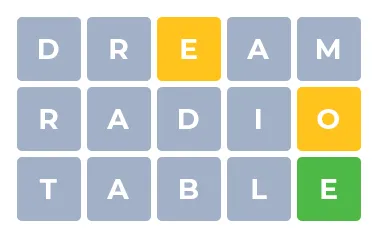 Wordle, now hosted by The New York Times Games, is a simple yet compelling daily word puzzle that captured wide public attention and remains a staple for casual and serious wordplay fans. The premise is straightforward: guess a target five-letter English word in up to six attempts, using colored-tile feedback to refine subsequent guesses. That elegant, minimal design is central to its appeal.
How it works
- Each day presents a single five-letter solution.
- Players submit up to six guesses.
- After each guess, tiles change color to indicate feedback:
- One color signals a correct letter in the correct position.
- Another color signals a correct letter in the wrong position.
- A neutral color shows letters not in the solution.
- The daily constraint (one puzzle per day) and shareable results foster communal play and conversation.
Accessibility and platforms
- Wordle is web-based and free to play on desktop and mobile via The New York Times Games portal and associated Wordle pages.
- The NYT Games ecosystem bundles Wordle with crosswords and other daily puzzles under apps and site sections for players who enjoy multiple formats.
- Variants and unofficial ports exist, but the NYT-hosted version is recognized as the canonical daily experience.
Why it resonates
- Simplicity: Rules are instantly understandable, making it approachable to new players.
- Strategy and pattern recognition: Success combines vocabulary knowledge with deductive reasoning and letter-frequency strategy.
- Social sharing: The tile-based result grid can be shared without spoilers, enabling friendly competition and discussion.
- Habit-forming cadence: A single daily puzzle encourages routine and anticipation.
Strategies and tips
- Start with diverse-vowel, common-consonant words to maximize early information (e.g., words that mix frequent letters).
- Use the first two guesses to identify vowels and frequent consonants, then narrow positions with targeted third and fourth guesses.
- Pay attention to positional constraints as well as letter presence; once a letter is confirmed in a spot, avoid wasting guesses on permutations that conflict.
- Preserve possibilities: avoid repeating eliminated letters unless testing a different position is strategic.
- Keep an internal list of candidate words that match known letter/position constraints to guide efficient guesses.
Critiques and counterpoints
Limited daily play can frustrate players who prefer open-ended puzzles; some seek unlimited clones or variants offering more puzzles per day. Familiar-word bias can disadvantage non-native speakers or those with smaller vocabularies; conversely, the game can serve as a gentle vocabulary builder. The single-word-per-day model creates high social focus on each puzzle, which can amplify spoilers and reduce enjoyment for late players—though sharing mechanics mitigate this by hiding the solution. Cultural and design significance Wordle demonstrates how minimal mechanics, clear feedback, and a communal cadence can produce wide engagement without complex features or monetization. Its integration into a broader games portfolio (crosswords, Spelling Bee, etc.) situates it as part of a larger daily mental-exercise ritual for many players.
Conclusion
Wordle’s enduring strength lies in its elegant constraints: five letters, six guesses, and simple colored feedback. That framework supports both casual play and nuanced strategy, fosters daily routines and social sharing, and highlights how thoughtful design can create a deeply engaging experience from a very small rule set. Whether you play for the quick daily challenge, the feelings of pattern discovery, or the social ritual, Wordle remains a standout example of minimalist game design that scales into a cultural pastime.